
Exploring the Exciting World of Samba: Royal Mega
An in-depth exploration of the game Samba: Royal Mega, diving into its unique features, introduction, and rules while considering recent gaming trends.


Monopolies have long captivated the economic landscapes, shaping industries and influencing market behaviors. One of the most profound phenomena within this domain is the concept known as "Royal Mega," representing an entity's dominance across vast market areas, often leading to significant economic and social implications.
The term Royal Mega conjures images of grandiose power and unrivaled control, and rightly so. Emerging often in industries with high barriers to entry, such as telecommunications, energy, and technology, these titans exert formidable influence. Through strategic innovations, acquisitions, and sometimes, regulatory maneuvering, Royal Mega entities can ascend to a level of supremacy that competitors find insurmountable.
At its core, monopoly power is derived from a combination of unique product offerings, customer loyalty, and a significant share of the market. When these factors converge, a company can command pricing power, deter potential entrants, and influence the regulatory environment to its advantage.
In a Royal Mega scenario, the monopoly does not only dominate but becomes quintessentially integrated into the socioeconomic fabric. This dominance manifests in several ways, including:
The implications of a Royal Mega monopoly extend beyond simple market dynamics, bearing deep economic consequences for regions under its influence. On the one hand, these monopolies can drive economic growth through substantial investments, employment opportunities, and advancements in infrastructure.
However, the flip side includes potential negative impacts such as stymied innovation from smaller competitors, potential exploitation through price gouging, and considerable sway over political and regulatory decisions. This dual-edged sword raises critical questions about regulation and fair play in the marketplace.
The challenges in regulating Royal Mega monopolies are multifaceted. Regulatory bodies are often caught in a delicate balance, striving to protect consumer interests while fostering an environment conducive to growth.
Antitrust laws serve as the primary tool in mitigating the dominance of Royal Mega monopolies, yet enforcing these laws is often challenging. The intricate nature of global markets, coupled with the resourcefulness of these giants in navigating legal frameworks, often makes regulatory actions time-consuming and complex.
Moreover, smaller firms find it increasingly difficult to enter or sustain themselves in markets overshadowed by Royal Mega monopolies. This lack of competition can lead to a dearth of diverse offerings for consumers and ultimately a stagnation in industry innovation.
Beyond the economic realm, Royal Mega monopolies significantly impact social landscapes. Their presence can alter the way communities interact with products and services. For instance, when a single telecommunications provider monopolizes a region, consumers lack alternatives, often leading to dissatisfaction despite technological advancements.
Furthermore, the philanthropic ventures supported by these entities can be double-edged. While they contribute positively to communities through initiatives and funding, they also wield power over cultural narratives and social priorities, subtly navigating local and regional policies to align with corporate interests.
As we examine the future of Royal Mega monopolies, key considerations emerge: the evolution of technology, shifting political landscapes, and evolving consumer preferences. The growing importance of digital marketplaces complicates the traditional understanding of monopoly dynamics, with giants in tech and ecommerce sectors commanding unparalleled influence.
Meanwhile, a globalized political climate struggles to address these challenges, often resulting in inconsistent regulatory approaches across borders. The alliance or opposition between different nations could significantly affect how Royal Mega entities shape future markets.
In conclusion, while Royal Mega monopolies continue to wield immense influence, stakeholders across economic, regulatory, and social spectrums are tasked with finding a harmonious equilibrium. This balance is vital to ensure the benefits of such power are shared widely, fostering a marketplace that upholds innovation, fairness, and consumer-centric growth.

If you're looking for a reliable, fully licensed, and secure sportsbook with a wide selection of games, Royal Mega is the perfect choice. We're committed to providing you with the best online betting experience, with premium quality, excellent service, and continuous innovation. Sign up now and receive ₱777 for free!
Join now
Get the latest information, experience and betting strategies from the expert team at Royal Mega.
An in-depth exploration of the game Samba: Royal Mega, diving into its unique features, introduction, and rules while considering recent gaming trends.

Discover the immersive world of Legacy of the Sages, where strategic mastery meets a grand narrative.

Explore the immersive world of DragonBall Royal Mega, a thrilling game that combines epic battles with strategic gameplay.
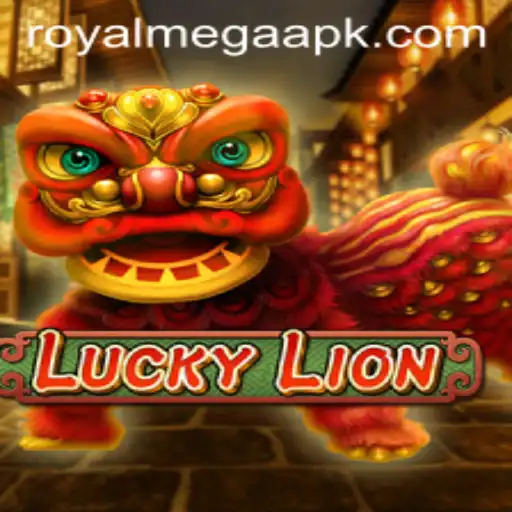
Dive into the captivating universe of LuckyLion, a game that seamlessly blends excitement with the grandeur of Royal Mega rewards. Discover its unique features, engaging gameplay, and essential rules for an unparalleled gaming experience.

Explore the captivating realm of MasterTiger, a game that combines strategy, skill, and excitement with the enticing theme of Royal Mega.

An in-depth look at the captivating world of BlackBooze and the Royal Mega challenge, offering players a unique blend of strategy and excitement.
 Join now